Getting Started with Watercolour Painting
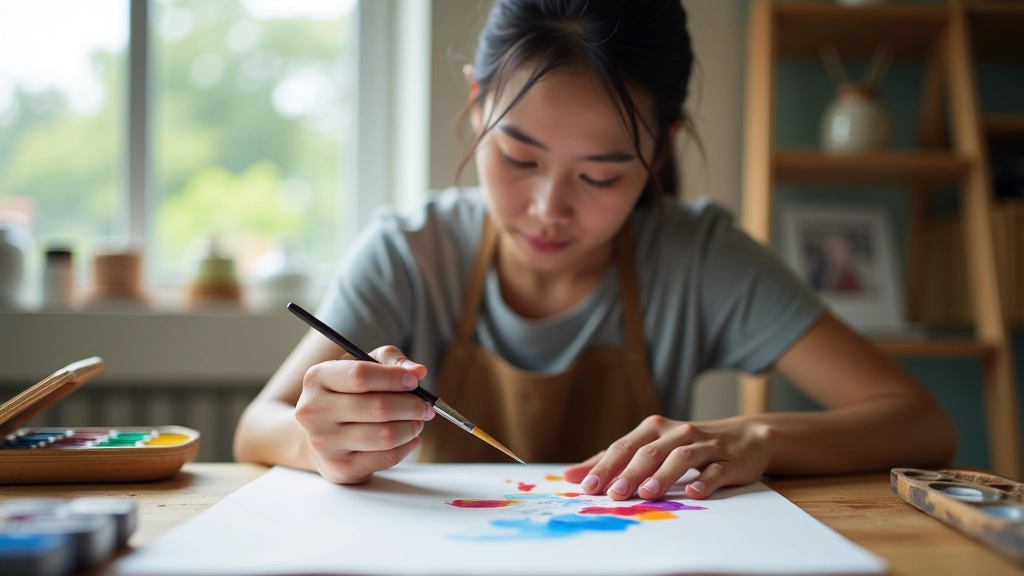
Learn the basics of watercolour techniques without prior experience. We cover materials, fundamental techniques, and how to build confidence with this forgiving medium.
Discover local creative hubs where you can explore watercolour, pottery, collage, and more. We’ve mapped cultural centres, artist collectives, and community studios across the island to help you find your creative home.
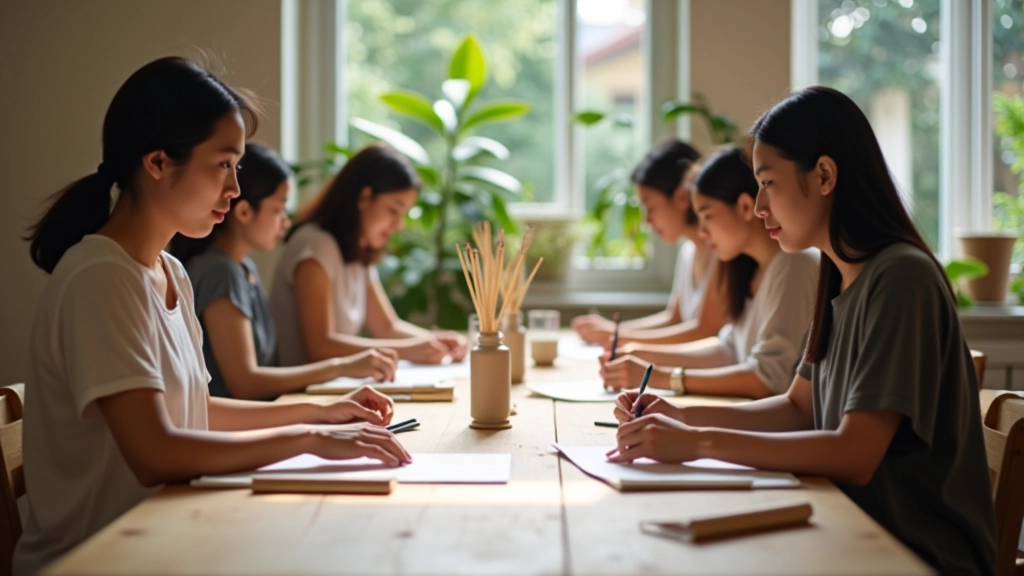
Finding the right space to create isn’t just about having materials and a table. It’s about belonging to a community where people are genuinely curious about art, where you’re not judged for being a beginner, and where creativity happens naturally. Singapore’s got plenty of options — some are tucked into heritage buildings, others are in industrial estates buzzing with energy.
The thing is, there’s no single “best” space. What works for someone exploring watercolour might feel wrong for someone who’s drawn to pottery. We’ve spent time visiting studios, talking to facilitators, and watching classes in action. Here’s what we’ve learned about finding a creative home that fits your style.
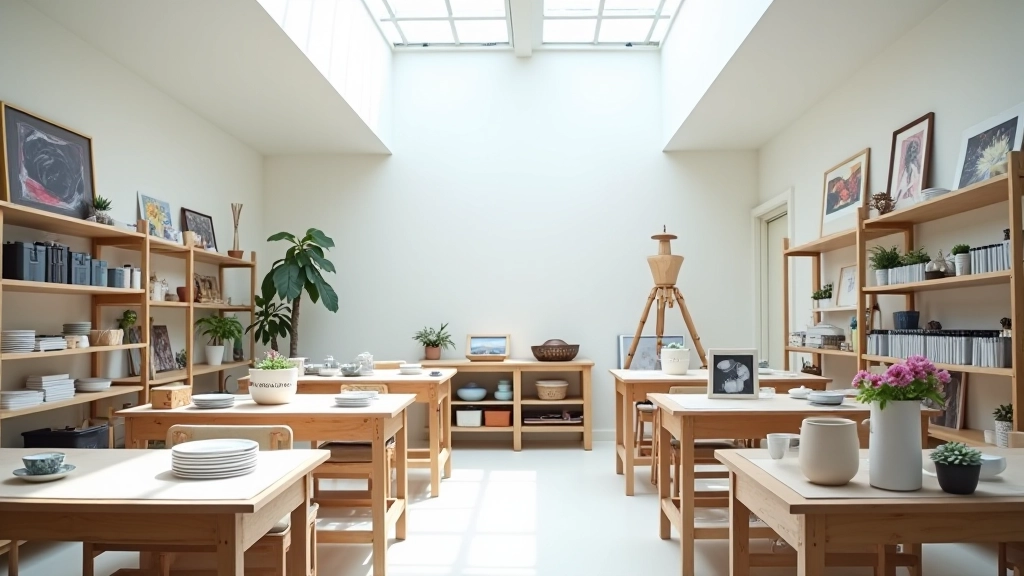
Not all creative spaces are the same. Understanding the differences helps you find what actually fits your schedule and personality.
Places like Lasalle, Substation, and community centres run by grassroots organizations. They’ve got structured classes, open studio hours, and usually pretty affordable. Most welcome total beginners. The vibe is more institutional but reliable — you know what you’re getting.
Smaller spaces run by artists themselves. Places like artist-led collectives in Tiong Bahru or Kampong Glam feel different — more intimate, more experimental. You’ll often find mixed disciplines under one roof. They sometimes have higher barriers to entry (you might need experience) but the creative energy is intense.
Co-working studios where artists rent studio space by the month. You’ll have access to shared kilns, presses, and equipment. This works if you’re serious about developing a consistent practice. You’re paying for the space and tools, not necessarily classes.
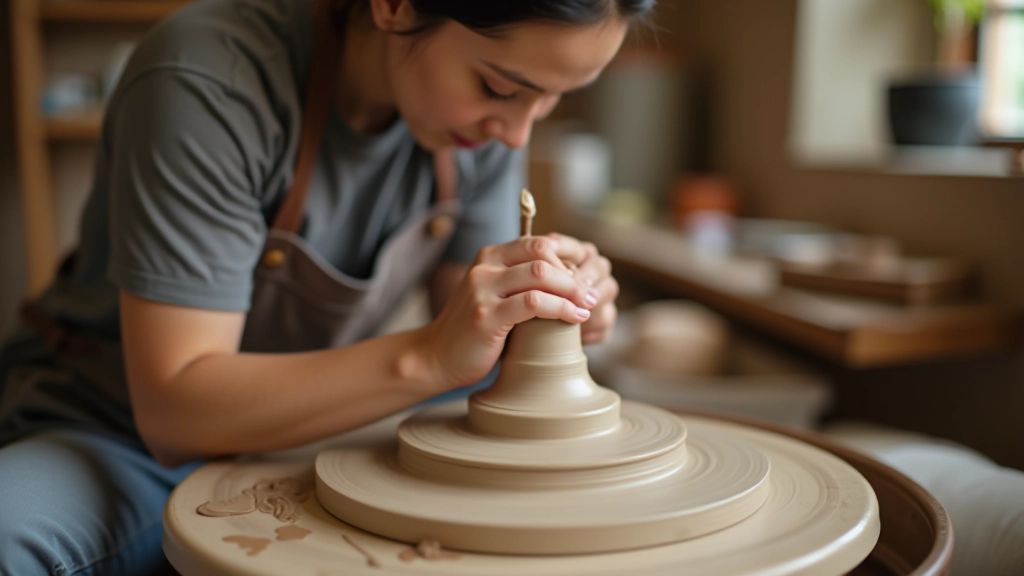
Places dedicated to specific mediums — a pottery studio, a painting atelier, a print workshop. They run short courses and open sessions. Perfect if you know you want pottery but haven’t found your community yet.
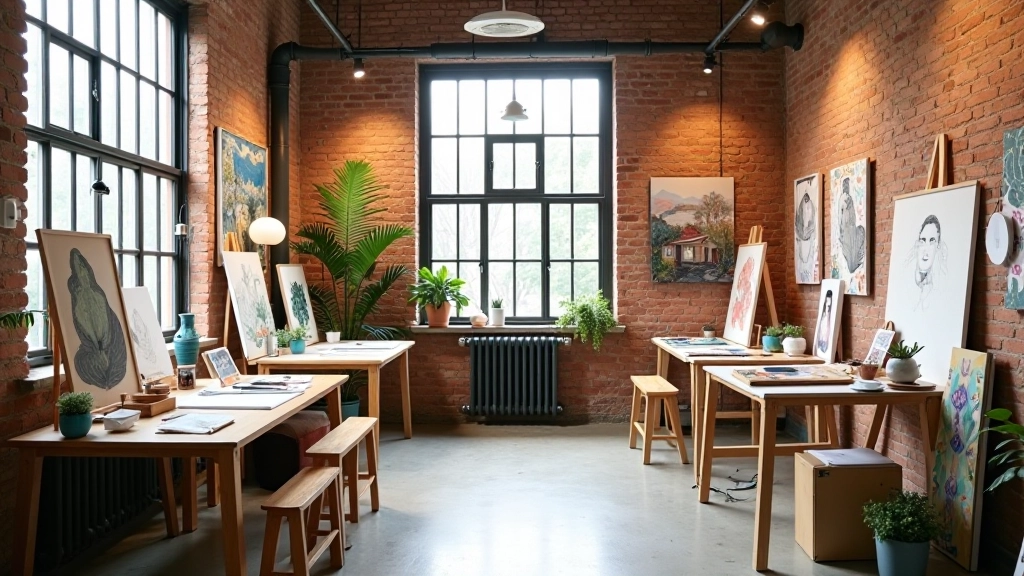
The information in this guide is current as of March 2026. Creative spaces update their schedules, move locations, and change their offerings regularly. We recommend visiting websites directly or calling ahead to confirm current class times, availability, and pricing before committing. Many spaces offer trial sessions or open studio visits — that’s your chance to see if the vibe matches what you’re looking for.
Here’s the honest process: you’re not going to find your perfect space by scrolling online. You need to visit, watch a class if possible, and feel out the space yourself.
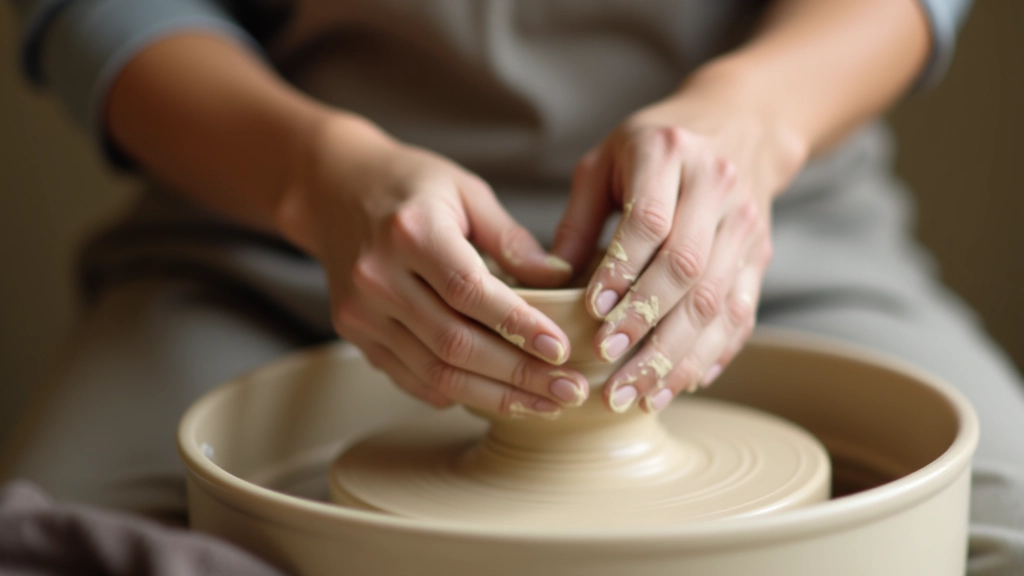
Are you curious about the meditative repetition of pottery? The immediate gratification of watercolour? The experimental freedom of collage? This matters because different mediums attract different communities. Pottery studios tend to be quieter and more focused. Painting classes can feel more social and loose.
Don’t just book a class right away. Visit during open studio hours first. Watch how people interact, notice the energy, see if the facilitators are actually engaged. Some spaces feel welcoming immediately. Others feel like you’re interrupting something private.
Most community spaces and studios offer a trial class at reduced cost or free. Take it. This is where you find out if the instructor’s teaching style clicks with you, if the pace feels right, and if the other people there seem like folks you’d want to create alongside.
This sounds basic but it’s crucial. A space with perfect vibes becomes a pain if you’ve got a 45-minute commute. Look for studios within reasonable distance and times that actually fit your week. Consistency matters more than finding the “best” space — it’s the one you’ll actually show up to.
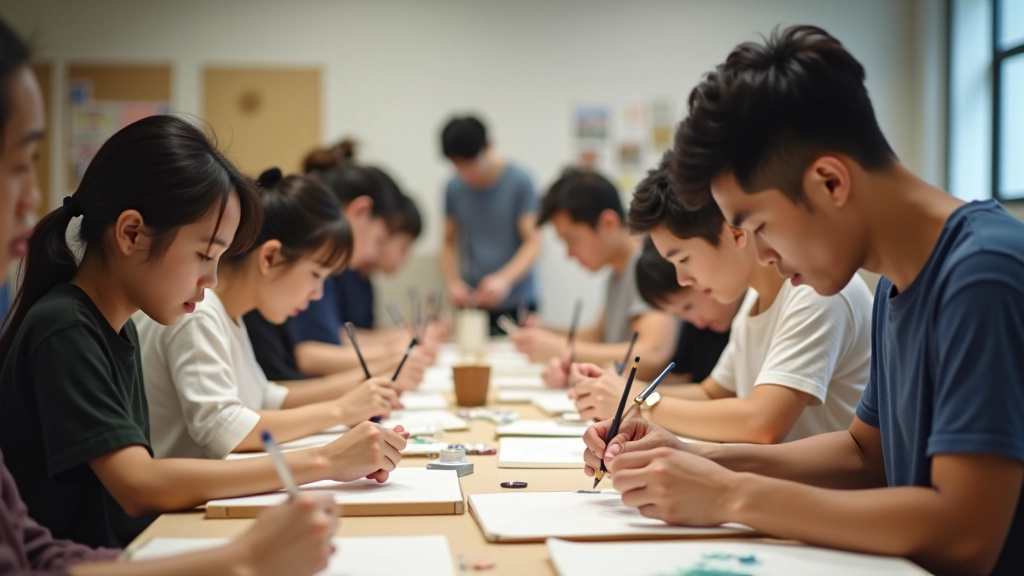
You’ll probably feel awkward at first. That’s completely normal. Most creative spaces have a mix of regulars who know each other and newcomers. Don’t expect to instantly bond with everyone. Some of the best creative friendships develop slowly, over weeks of showing up.
Your hands will get messy. You’ll make something you hate. You’ll surprise yourself with something you didn’t expect to like. Within 4-6 weeks of consistent attendance, you’ll start feeling like you belong. You’ll know where the water station is, you’ll recognize faces, and you’ll develop opinions about the best supplies. That’s when the real creative work starts — when you’re not thinking about fitting in anymore.
Most importantly: there’s no “right” way to approach this. Some people dive into classes immediately. Others prefer open studio time where they can work at their own pace. Some join a community specifically to meet people. Others just want quiet space to create. Your approach is valid. Find the space that supports how you actually want to work.
Singapore’s got more creative spaces than most people realize. From heritage cultural centres to artist-run studios in industrial areas, there’s room for every approach to making art. The only requirement is showing up — and being willing to make something imperfect. That’s where the actual growth happens. Not in the polished results, but in the messy, genuine process of creating alongside people who get it.
Start by visiting one space this week. Not committing. Just visiting. Watch what happens. Listen to the facilitators. Notice how people talk about their work. That intuition — whether a space feels right or not — that’s your guide. Trust it.