Getting Started with Watercolour Painting
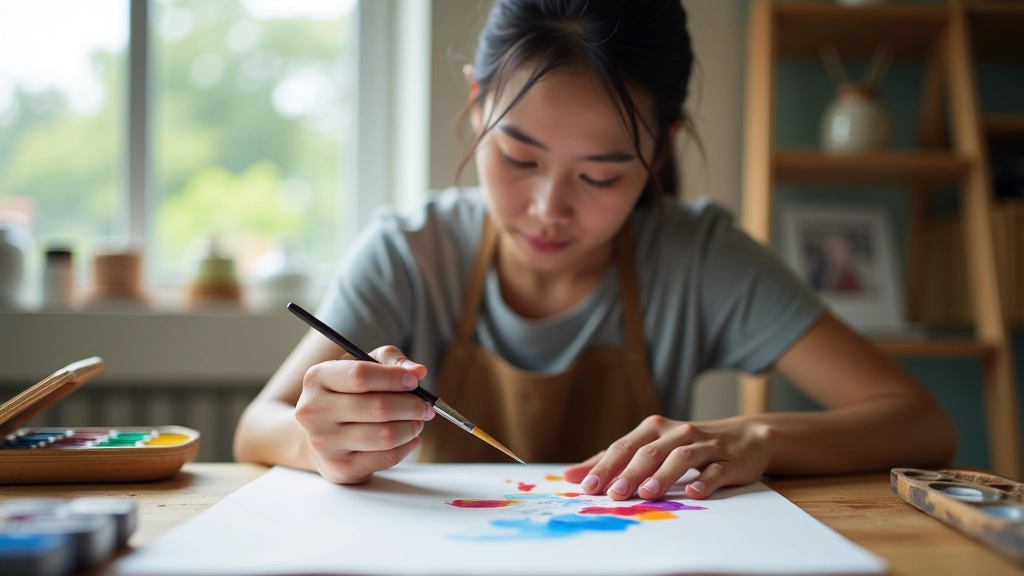
Learn the basics of watercolour techniques without prior experience. We cover materials, foundational strokes, and how to embrace happy accidents.
Read ArticleDiscover how hand-building and wheel-throwing pottery can become a meditative practice. Join community sessions at local creative spaces across Singapore.
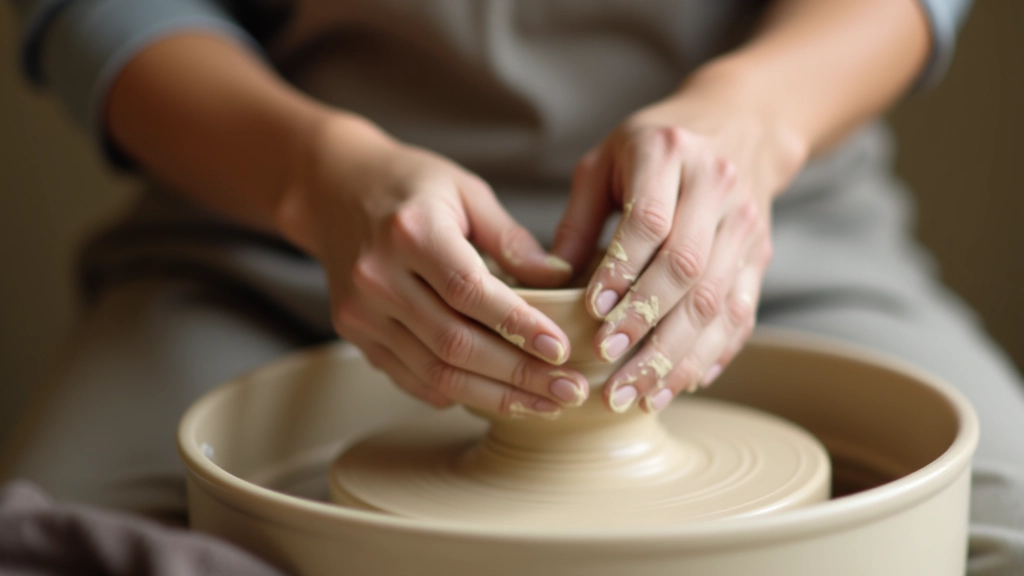
There’s something about clay that changes how you see things. You’re not thinking about work deadlines or your to-do list when your hands are wet and spinning on the wheel. Pottery isn’t just about making bowls and mugs — it’s about finding a rhythm that calms your nervous system and lets your creativity flow without judgment.
The best part? You don’t need any experience. We’ve taught everyone from lawyers to teachers to students, and they all say the same thing: “I didn’t know I needed this.” Whether you’re hand-building or working with the wheel, pottery gives you permission to slow down.
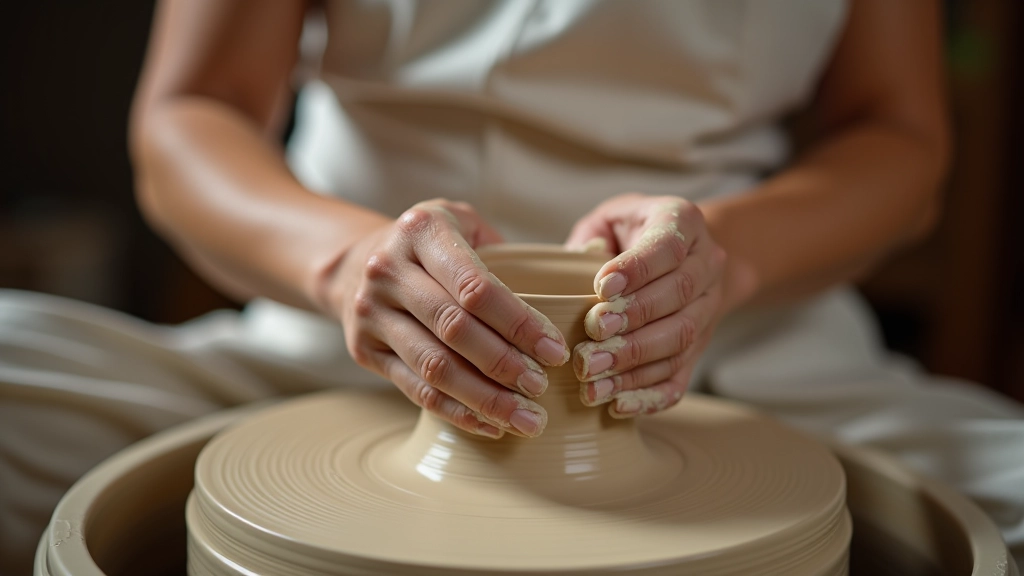
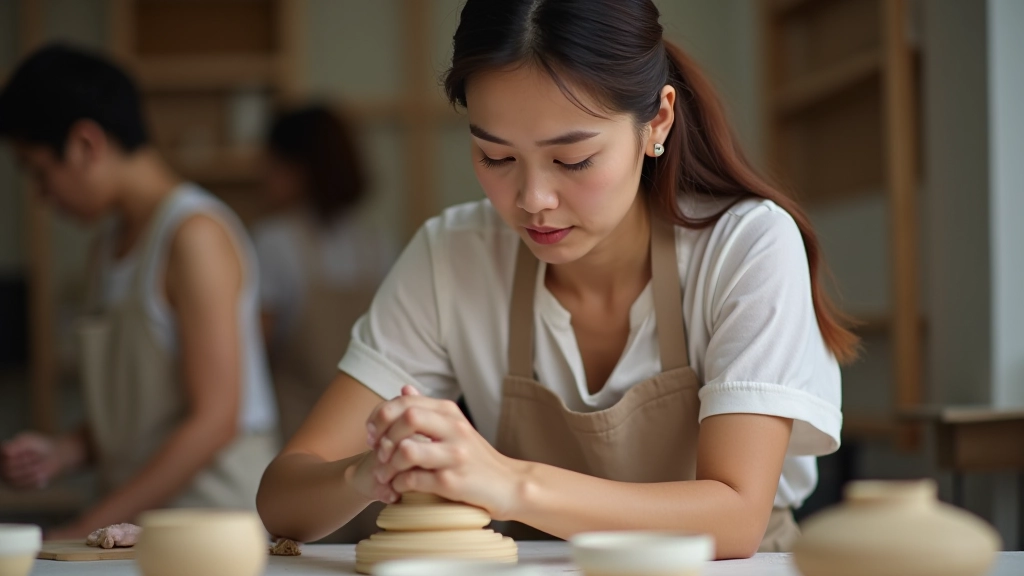
Hand-building is where most people start. It’s tactile, forgiving, and you see results quickly. Coil-building, pinch pots, slab construction — these techniques don’t require expensive equipment or a pottery wheel. You’re just learning to listen to the clay and what it wants to become. Most people feel genuinely proud of their first hand-built piece because it’s completely theirs.
Wheel-throwing comes later for some people, and honestly, it’s addictive. There’s this moment when the clay centers — when it stops wobbling and becomes balanced — and your whole body relaxes. That’s the meditative part. You’re not thinking about anything except the clay between your hands and the gentle spin of the wheel.
Real timeline: Most students throw their first successful bowl in 4-6 weeks of regular practice. Hand-building pieces? You’ll have something finished in your first session.
This article is informational and educational in nature. Pottery is a recreational creative practice and doesn’t replace professional mental health support. If you’re experiencing stress or anxiety, we encourage you to consult with a qualified healthcare provider alongside pursuing creative activities. Workshop experiences vary by individual and location.
You’ve probably heard the term “flow state” — that feeling when you’re so absorbed in something that time disappears. Pottery does this naturally. Your mind stops planning three steps ahead and just focuses on what’s happening right now, in your hands.
The beauty is that it doesn’t require perfection. Your pot doesn’t need to be symmetrical. Your glaze can be unpredictable. That asymmetrical bowl you made? It’s actually more beautiful than the perfectly round one because it has character. This is completely different from how we usually think about productivity and achievement.
After 8-12 weeks of regular practice — that’s 2-3 sessions per week — you’ll notice something shifts. You stop being self-conscious. You stop worrying about whether it’s “good enough.” You’re just present with the clay.
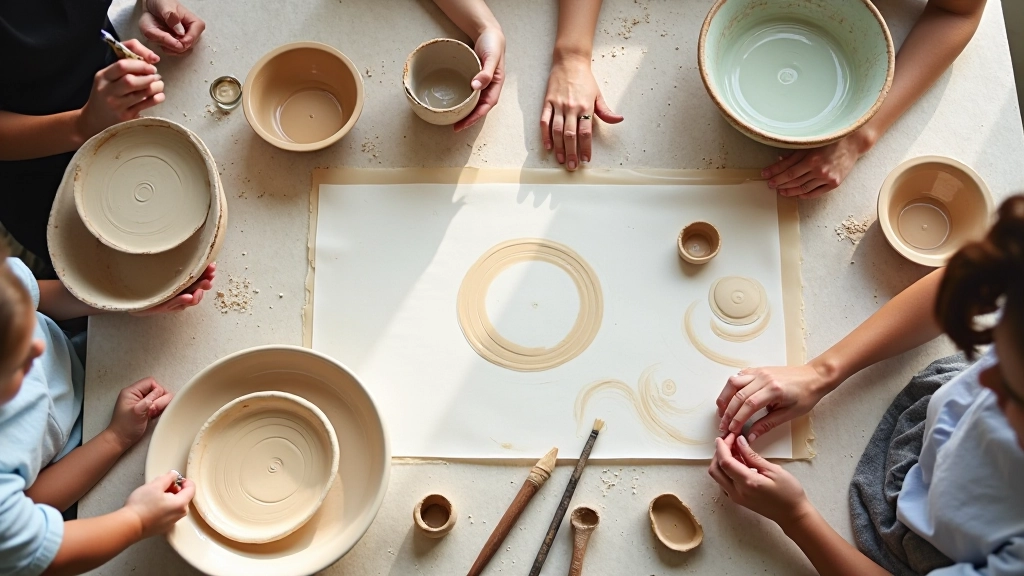
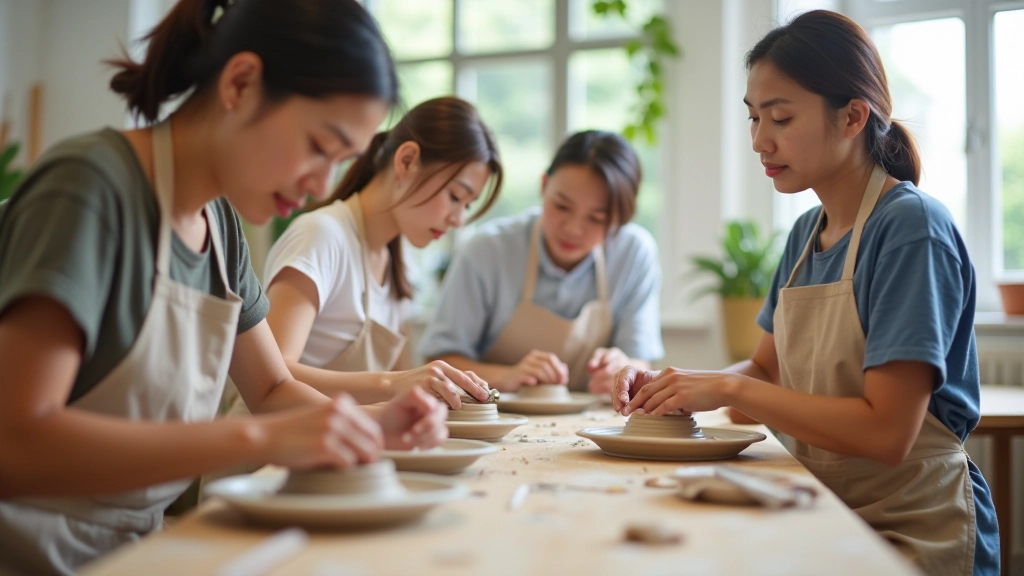
Singapore has incredible creative spaces. From established ceramic studios in Gillman Barracks to community centers offering pottery classes, there’s something for everyone. The community aspect matters more than you’d expect. You’re not alone in this — you’re surrounded by other people discovering the same thing you are.
Most studios offer drop-in sessions (perfect if you’re testing things out) or structured courses (better if you want progression). Instructors here aren’t gatekeeping pottery knowledge. They genuinely want you to experience what clay can do. We’ve seen shy accountants become confident artists. We’ve seen stressed professionals finally sleep through the night.
Active studios in Singapore
Sessions per week for real progress
Sweet spot for each session
Here’s what actually happens when you show up for your first session:
You’ll get a tour of the studio. It’s probably calmer than you expected. Most studios have soft music, good lighting, and that distinctive clay smell. You’re not being judged — everyone here was nervous their first time.
You’ll start with hand-building. The instructor will show you basic techniques — wedging the clay, learning its texture, making something simple. By the end of 20 minutes you’ll have forgotten about your phone.
Week 2-3, you’ll discover which technique calls to you. Some people love the wheel immediately. Others prefer hand-building for months. There’s no wrong choice. You’re learning what your hands want to do.
After firing, your pieces come back completely different. The raw clay becomes permanent. You’re holding something you made with your own hands that will last for years. That feeling doesn’t get old.
You don’t need expensive equipment at home. Studios provide everything — clay, tools, wheels, kilns, glazes. Your only real investment is showing up consistently. Some people buy their own clay for home practice after 2-3 months, but that’s optional.
Wear clothes you don’t mind getting clay on. Bring a towel. That’s genuinely it. No special skills required. No artistic background necessary. We’ve taught complete beginners who’ve become seriously skilled within a year.
Budget-wise, most community studios in Singapore charge $40-80 per session depending on whether you’re in a group class or private lessons. Monthly passes work out cheaper if you’re committed to showing up 2-3 times weekly.
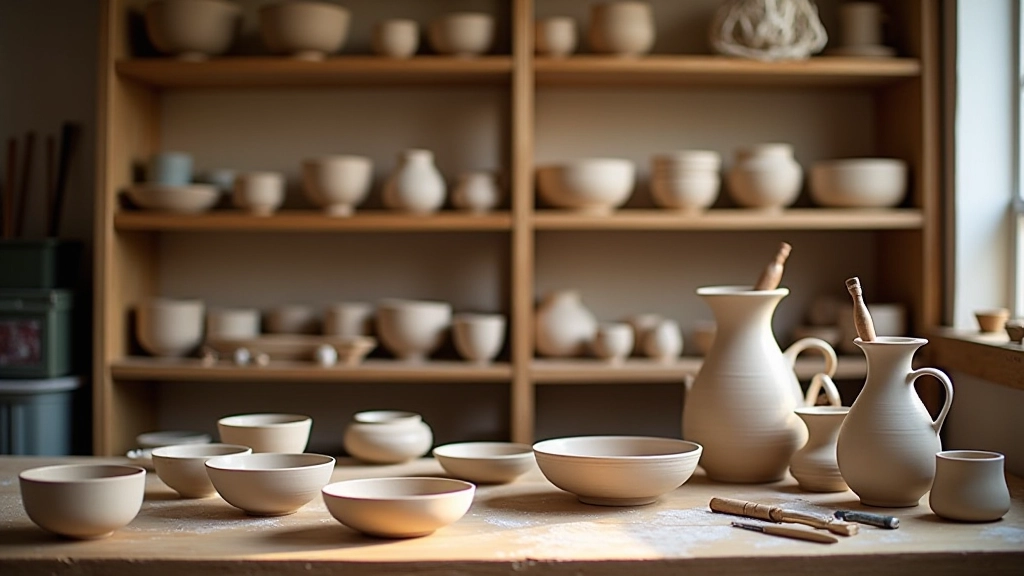
Urban life in Singapore moves fast. Everything’s optimized, scheduled, measured. Pottery is the opposite of that. It’s slow, unpredictable, and completely about the present moment. You can’t rush clay. You can’t multitask while throwing. It forces you to be here, now, with your hands and your breath.
We’re not saying pottery will solve everything. But it might give you something you didn’t know you were missing — a place where mistakes become character, where the process matters more than the outcome, and where you can actually feel yourself relaxing.
Your first session is waiting. Studios across Singapore have open sessions this week. Pick one that feels right and show up. Bring your curiosity and your willingness to get a little messy. The clay will do the rest.